Setting up API Calls in Bubble Plugin Editor: A Step-by-Step Guide
Search for a command to run...

No comments yet. Be the first to comment.
I have included all the information related to how you can build the Bubble plugin in this series. Check my course on how to build plugin from scratch- https://nocodetalks.co/bubbleplugin
If you want your user to pass the Bubble database data type to the Bubble plugin editor, how would you accomplish this? Follow these steps: Step 1: Define the first field input as the "App Type" and the second as a dynamic value with the type of "fir...
Most websites use CSS :hover for hover effects. You can see them in the stylesheet, copy them, move on. Framer doesn't do that. Framer uses a React animation library (Framer Motion) with a whileHove

https://www.youtube.com/watch?v=63Lkpw8fGAw Introduction to Xano: A No-Code Backend Solution When it comes to choosing the right backend service for your project, Xano emerges as a noteworthy contender. This video explores the various facets of Xan...
Hi Everyone, This newsletter will be a little different from the ones before. In this edition, I'm excited to launch the Xano Cohort program, which I will be running. The program will start on May 6th for 6 weeks. Why I am starting this: Whenever I...

Learn what workload units are in Bubble, how they are calculated, and discover actionable strategies to optimize and reduce your app's workload units for better performance and cost efficiency. One think before moving forward- If you are reading thi...

There are instances when you may need to access an element created within the Bubble editor. For example, in a plugin, you might want to return the number of characters a user types into an input element. Follow these steps: Step 1: Enable the "Expos...

You can set up the API calls in the plugin editor just as you did in the API connector.
Go to the "API Calls" section of the plugin editor.
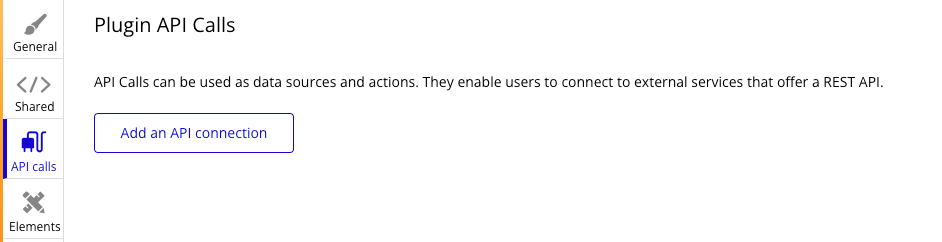
To start the API calls, click on "Add an API connection".
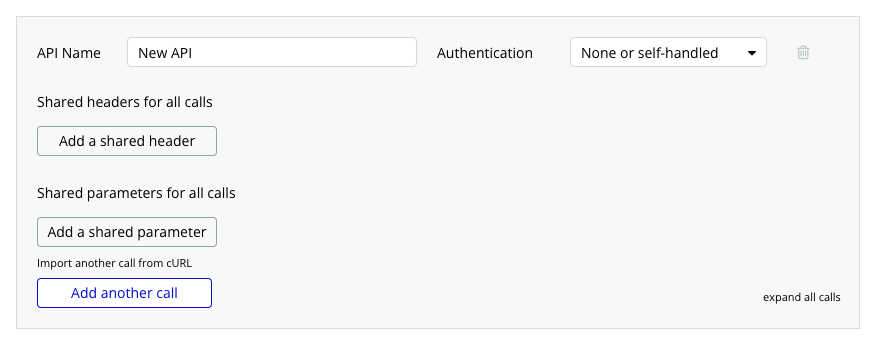
Now, simply provide the name of the API you are setting up. For example, we will set up the "Stripe" API calls.
Configure the authentication required for your API calls. The type of authentication you select here will determine the corresponding fields exposed in the Bubble plugin.
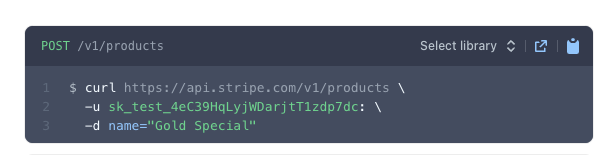
Now, for example, if we want to set up this API for API calls-
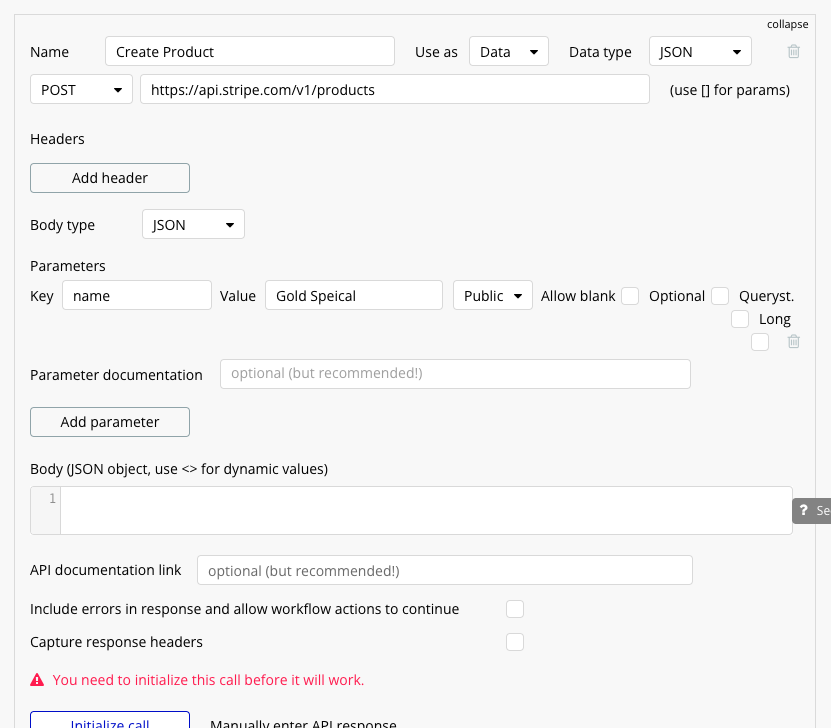
Click on "Initialize Call" to set up the API calls.
That's how you set up the API calls in the Bubble plugin editor.
That's all for this blog. Subscribe for more future updates. Thank you!
Follow me on Twitter.
Checkout My Bubble Plugin Course - Use coupon code "THEBUBBLEGROUP" at checkout for 10% discount.